When choosing furniture for dining spaces, many people often wonder, "what is the difference between a sideboard and a buffet?" Both pieces serve similar purposes, but they offer unique styles and functionalities. Sideboards and buffets can enhance the aesthetics of a room while providing essential storage options.
Sideboards are typically lower and wider. They usually feature cabinets, drawers, or shelves. This design allows for easy access and display. On the other hand, buffets are more specific to dining areas. They are often taller and emphasize the serving aspect. Their design may include a countertop for serving food during meals.
Understanding these nuances is vital. Choosing the right piece depends on your needs and space. Reflecting on your style is essential. Are you looking for a casual or formal vibe? Both sideboards and buffets can fit various interiors. Yet, knowing their differences will help you make an informed decision.
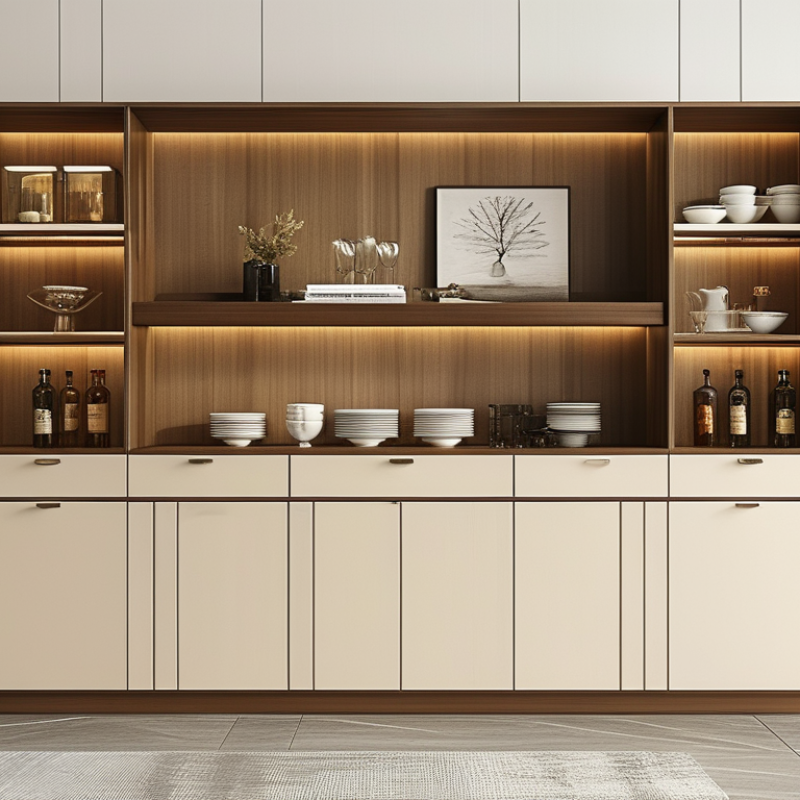
Definition of Sideboards and Buffets in Furniture Design
Sideboards and buffets are common features in dining spaces, but they serve different purposes. A sideboard is typically a low, long piece of furniture. It often includes cabinets and drawers for storage. This design allows for easy access to dishes, table linens, and dining essentials during meals. Sideboards often have a flat surface, perfect for displaying decor or serving food.
On the other hand, buffets are similar but tend to focus more on serving food. They usually have a more substantial surface area. Buffets are designed for entertaining, providing ample space for serving dishes and drinks. Their style may be more ornate or decorative, making them a focal point in the dining room. Both pieces can add functionality and aesthetic appeal to the home.
Understanding the subtle differences can enhance your interior design choices. A sideboard may lend a more casual feel while a buffet can exude elegance. However, the lines can blur, and personal preference plays a key role. When you’re choosing between the two, consider the functionality and the vibe you want to create in your dining area.
This chart illustrates the average lengths of sideboards and buffets in inches, which are commonly used types of furniture in dining and living spaces. Sideboards typically measure around 60 inches, while buffets are often larger, averaging 72 inches in length.
Historical Evolution of Sideboards and Buffets in Dining Spaces
The concept of dining furniture has evolved significantly over centuries. Sideboards and buffets originated as practical solutions for food service. Historically, buffets were often larger and more ornate. They served as a grand display of food during dinners. Meanwhile, sideboards were simpler and functioned as storage for dishes and utensils. Their purposes were distinct but interconnected.
In the Victorian era, the sideboard gained popularity. It featured elaborate carvings and became a focal point in dining rooms. Buffets, however, remained more functional. They were typically used in casual settings, allowing guests to help themselves. This shift illustrated changing dining customs, reflecting a balance between formality and practicality.
Today, the lines between sideboards and buffets can blur. Many modern designs fuse elements from both, creating versatile options for homeowners. People often choose styles that reflect personal taste rather than strict adherence to tradition. Some designs fall short, lacking adequate storage or practicality. Homeowners must reflect on their needs before choosing. This evolution invites discussion about how dining spaces can adapt to changing lifestyles.
Key Functional Differences between Sideboards and Buffets
When it comes to dining room furniture, sideboards and buffets serve unique functions. Sideboards typically offer storage and display space for dishes and utensils. They often have an elongated design, making them ideal for serving during gatherings. The flat surface can hold food or drinks, adding convenience to any meal. Most sideboards feature drawers and shelves, creating ample storage for everyday items.
On the other hand, buffets prioritize serving food. They are generally lower and wider than sideboards. Buffets often have a more open design, allowing easy access to dishes for guests. Some buffets also include a built-in warming feature, which helps keep food hot. Their primary purpose revolves around enhancing dining experiences during special occasions.
Both furniture pieces can enhance your home’s aesthetic, but their functional differences are crucial to consider. Choosing between them requires understanding your specific needs. Think about your dining habits and available space. This reflective approach will help you make the right choice. A sideboard might suit those who love to entertain, while a buffet may cater to casual family meals.
What is the Difference Between a Sideboard and a Buffet? - Key Functional Differences between Sideboards and Buffets
| Feature |
Sideboard |
Buffet |
| Primary Function |
Storage for dining essentials and decor |
Serving food and drinks during meals |
| Design Style |
More decorative with an emphasis on aesthetics |
Functional with a focus on serving space |
| Height |
Generally lower than buffets |
Usually taller to allow for serving |
| Storage Options |
Cabinets and drawers for flatware |
Open space or shelves for serving dishes |
| Common Placement |
Living or dining rooms |
Dining areas or adjacent to dining tables |
Common Styles and Aesthetics of Sideboards and Buffets
Sideboards and buffets are popular furniture choices for dining rooms. While both serve similar functions, their styles differ significantly. A sideboard typically features lower profiles with drawers and doors, providing a functional storage solution. Buffets, on the other hand, often have a taller structure and focus on displaying decorative items while offering space for serving food.
When considering aesthetics, sideboards often emphasize clean lines and minimalistic designs. They fit well in contemporary settings. On the contrary, buffets can range from ornate, vintage styles to sleek modern options. The choice depends on your existing décor and personal taste. Both can enhance a dining space, but understanding their unique characteristics can help in making an informed decision.
Tips: Choose a piece that complements your dining table and chairs. A cohesive look creates a harmonious dining area. Additionally, consider materials and finishes that resonate with your overall home style. Be mindful of scale; a large buffet in a small room may overpower the space.
Practical Considerations for Choosing Between a Sideboard and Buffet
When deciding between a sideboard and a buffet, certain practical considerations come into play. Both pieces offer storage but serve slightly different functions. A sideboard typically features a lower design, often used for serving dishes and decor. Buffets, on the other hand, are typically larger and designed specifically for diningware. According to the American Home Furnishings Alliance, about 50% of households prefer sideboards due to space constraints, making them a popular choice in smaller dining areas.
Think about your space. If you frequently host dinner parties, a buffet may suit your needs better. Buffets often provide more surface area for dishes and drinks. However, if you desire a multifunctional piece, a sideboard might be the ideal option. Some homeowners appreciate that sideboards can easily double as a console table or decorative display unit. Recent reports show that 45% of consumers value versatility in furniture selection.
Style matters too. A sideboard works well in contemporary settings, while a buffet offers a more traditional charm. Keep this in mind when choosing. It’s easy to overlook personal style or size limitations in favor of trendiness. Making an informed choice requires considering how you plan to use the piece and what fits seamlessly into your home.
FAQS
: Sideboards provide storage for dishes and utensils. Buffets serve food and drinks, offering a larger surface area.
Initially practical, they became ornate in the Victorian era. Today, their designs often blend for versatility.
Consider your space, hosting habits, and how you plan to use the furniture. Each serves distinct functions.
About 50% of households favor sideboards for their space-saving qualities, especially in smaller dining areas.
Yes, sideboards can double as console tables or decorative units, making them quite versatile.
Style is important. A sideboard fits modern spaces, while buffets bring traditional charm. Consider your taste.
Some designs may lack adequate storage or practicality, leading to disappointment. Reflect on your needs.
Changing dining habits affect preferences. Homeowners often seek pieces that balance formality with practicality.
Yes, many focus on trends instead of their style and needs, which can result in a poor fit.
The evolution of sideboards and buffets invites discussion on how to create functional, stylish dining areas.
Conclusion
In exploring "what is the difference between a sideboard and a buffet," it is important to understand their definitions and historical evolution in dining spaces. Sideboards typically serve as a multipurpose storage solution with drawers and shelves, while buffets are often designed for serving food during meals, featuring a countertop space. Historically, sideboards emerged in the 18th century as a solution for storing dining essentials, while buffets evolved to facilitate serving and presenting food.
Key functional differences highlight that sideboards focus on storage, whereas buffets emphasize functionality in food service. Aesthetically, both pieces offer a variety of styles, from traditional to modern designs, making them versatile for different interior décors. Practical considerations for choosing between the two often depend on the intended use, available space, and personal style preferences, ensuring that whether you select a sideboard or a buffet, it complements your dining environment effectively.

 Captain Living